

Secondo uno studio danese condotto su 34.000 gemelli di età compresa tra i 20 e i 71 anni, volto a comprendere l’influenza del sovrappeso e del diabete di tipo 2 nelle persone affette da psoriasi, è emerso che le persone con diabete di tipo 2 hanno più del 50% di probabilità di soffrire di psoriasi e che l’incidenza di psoriasi aumenta tra i soggetti in sovrappeso. Nello stesso studio sono state studiate anche 720 coppie di gemelli, all’interno delle quali un solo gemello era affetto da psoriasi: è stato così evidenziato che il gemello con psoriasi tendeva a pesare di più o a essere obeso.
I risultati raccolti sembrano indicare che esista una base genetica comune per la psoriasi e l’obesità. Pur non essendo stati chiariti i fattori che mettono in relazione questi aspetti, sembra che la genetica, il tabagismo, il consumo di alcool e la presenza di infiammazioni diffuse siano tutti fattori determinanti.
Quindi la psoriasi non è solo una malattia dermatologica, ma soprattutto infiammatoria: per questo è fondamentale impostare una serie di accorgimenti dietetici volti a mantenere il peso corporeo e a scongiurare il rischio di contrarre diabete di tipo 2.

Esiste anche una relazione tra psoriasi ed eventi di natura cardiovascolare. È noto, infatti, che chi soffre di psoriasi corre un rischio più alto di incorrere in eventi avversi come infarto del miocardio o ictus. Uno studio pubblicato sul Journal of American Academy of Dermatology ha provato a mettere in relazione queste due informazioni, cercando di quantificare il maggiore rischio di incorrere in un evento cardiovascolare per la prima volta in pazienti giovani con psoriasi e con o senza una storia familiare legata alle malattie cardiovascolari. Dall’analisi dei dati è emerso che aveva una storia familiare di questo tipo il 62,4% dei pazienti con psoriasi lieve (16.080) e il 66,8% dei pazienti con psoriasi grave (3.009).
COMBATTERE LA PSORIASI CON UNA SANA ALIMENTAZIONE: I CIBI DA PREFERIRE E QUELLI DA EVITARE
Innanzitutto cominciamo ad eliminare, se non l’abbiamo già fatto, i cibi che sembrano essere in grado di aggravare la sintomatologia e che possono favorirne la comparsa. Il consumo di cereali contenenti glutine è strettamente correlato al peggioramento dei sintomi: chi esclude questi alimenti dalla propria dieta osserva, infatti, un sostanziale miglioramento fin dalle prime settimane.
Vanno esclusi anche gli zuccheri, i dolci, gli edulcoranti, gli addensanti, le maltodestrine e i conservanti contenuti nella maggior parte dei prodotti preconfezionati.
Il latte e i suoi derivati, al pari del glutine, sembrano favorire l’infiammazione e la sintomatologia e il loro consumo prolungato nel tempo può portare a disturbi organici ben più gravi della psoriasi. Il lattosio e soprattutto la caseina (proteina contenuta anche in quei cibi con la scritta “senza lattosio”) e gli ormoni contenuti naturalmente nel latte vaccino o di altri animali favoriscono l’infiammazione intestinale e incrementano la risposta immunitaria.
Infine i salumi, la carne di maiale e i prodotti affumicati sono tutti cibi estremamente tossici per l’organismo, assolutamente non adatti all’alimentazione dell’uomo.
CIBI BANDITI:
- Cereali con il glutine
- Zuccheri e dolci di ogni tipo
- Latte e derivati
- Prodotti, bibite, caramelle o integratori che contengono edulcoranti, conservanti, addensanti o maltodestrine
- Salumi e carne di maiale
- Prodotti affumicati
CIBI AMICI:
E ora vediamo quali alimenti possono aiutare a ridurre la sintomatologia e l’infiammazione a essa correlata.
Premesso che lo stile di vita condotto dal paziente con psoriasi gioca un ruolo determinante e che i fattori ambientali e lo stress possono aggravare i sintomi, l’alimentazione può essere di grande aiuto nella prevenzione delle recidive e nell’alleviare la sintomatologia a carico della pelle e non solo.
Va aumentato il consumo di verdure a foglia verde come spinaci, asparagi, broccoli, cavoli e cavoletti di Bruxelles, che sono ricchi di acido folico, una vitamina che pare riduca le manifestazioni della psoriasi.
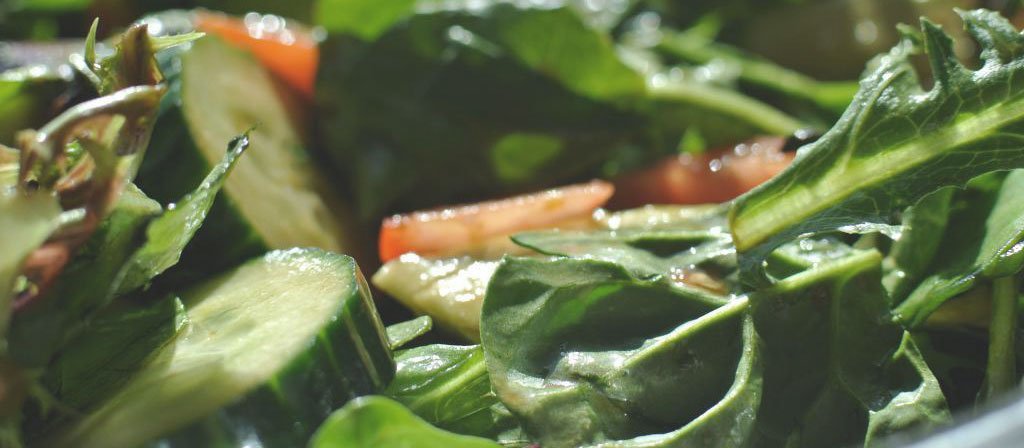
Un piatto ideale potrebbe essere un’insalata con spinaci novelli, rucola, lattuga romana e un paio di cucchiai di semi di canapa decorticati. Per trasformare questa insalata in un pasto completo, si può aggiungere del pesce azzurro, della trota o del salmone, con del riso integrale tipo basmati o della quinoa come accompagnamento. Molti studi hanno dimostrato che dei soggetti con psoriasi cronica che consumavano 150 g di pesce azzurro 2 volte la settimana sono stati in grado di ridurre l’uso di creme steroidee. Altre fonti di grassi buoni sono i semi di lino e i germogli di soia, che hanno un effetto simile al pesce azzurro e sono un alimento prezioso per le persone con psoriasi.
È anche consigliato assumere frutta secca a guscio come le noci del Brasile, non superando le 4 o 5 al giorno perché molto caloriche. Questo alimento, infatti, è ricco di selenio, una sostanza necessaria per combattere gli enzimi responsabili della psoriasi. Le noci, inoltre, aiutano anche a combattere l’osteoporosi, i problemi legati alla menopausa e sono un ottimo antidepressivo naturale. Anche i legumi, oltre a essere ricchi di vitamine e altre sostanze fondamentali per il nostro benessere, sono fonti naturali di selenio. Tra gli ortaggi e le verdure, invece, ne contengono funghi, sedano e, in minime quantità, carote, zucchine e finocchi.

